
Willie Weston exists to provide meaningful income for artists, often living in remote places.
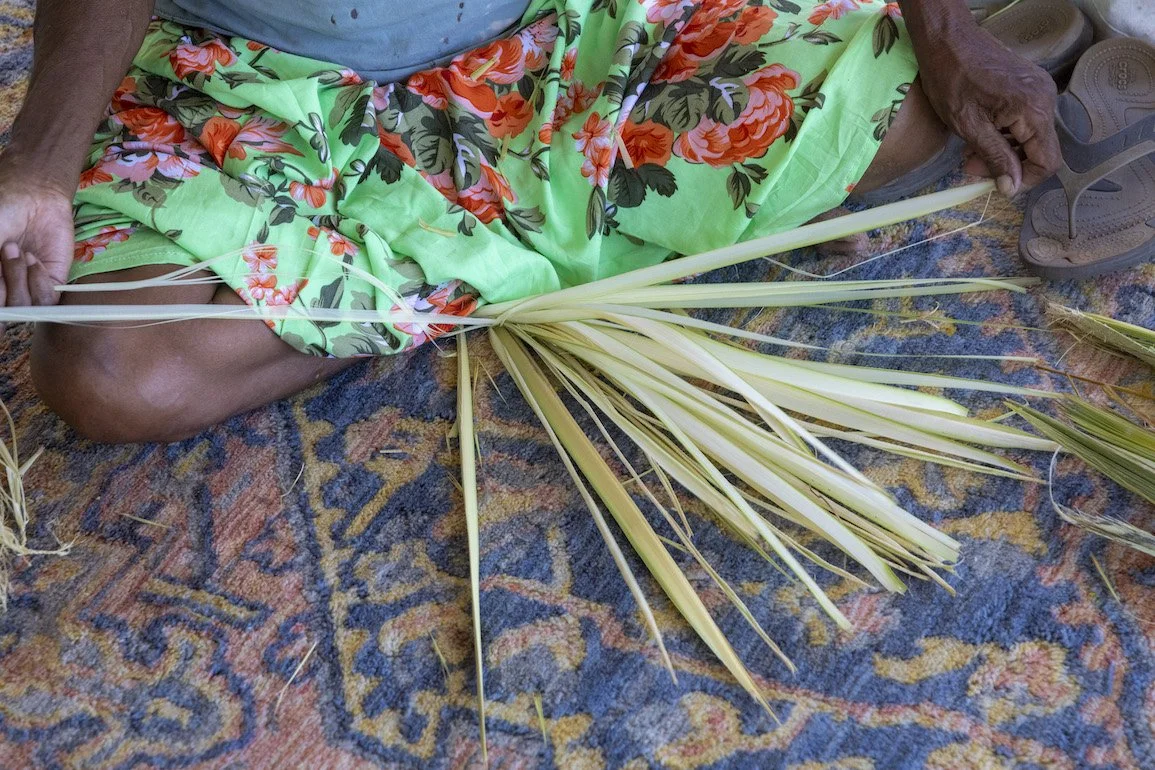
We have witnessed firsthand the beauty, creativity, and resilience of remote communities and the difference that sales from art can make for an individual, a family and a community.
Our vision for Willie Weston has always been for our products to enable growth and diversification of income streams for First Nations artists, particularly those living remotely, where isolation and a lack of resources and infrastructure can create barriers to accessing markets.
Fair and equitable payments have always been at the core of our business. Our scalable model provides artists with regular income streams outside their main art practice. Artists are paid for each metre of fabric or wallpaper we produce and receive a share of net profits at the end of each year.
As a First Nations owned business, our goal is always to scale impact for artists. By integrating First Nations art, culture and stories into the built environment, we create warm, sophisticated, and culturally rich spaces, and opportunities for artists across Australia.
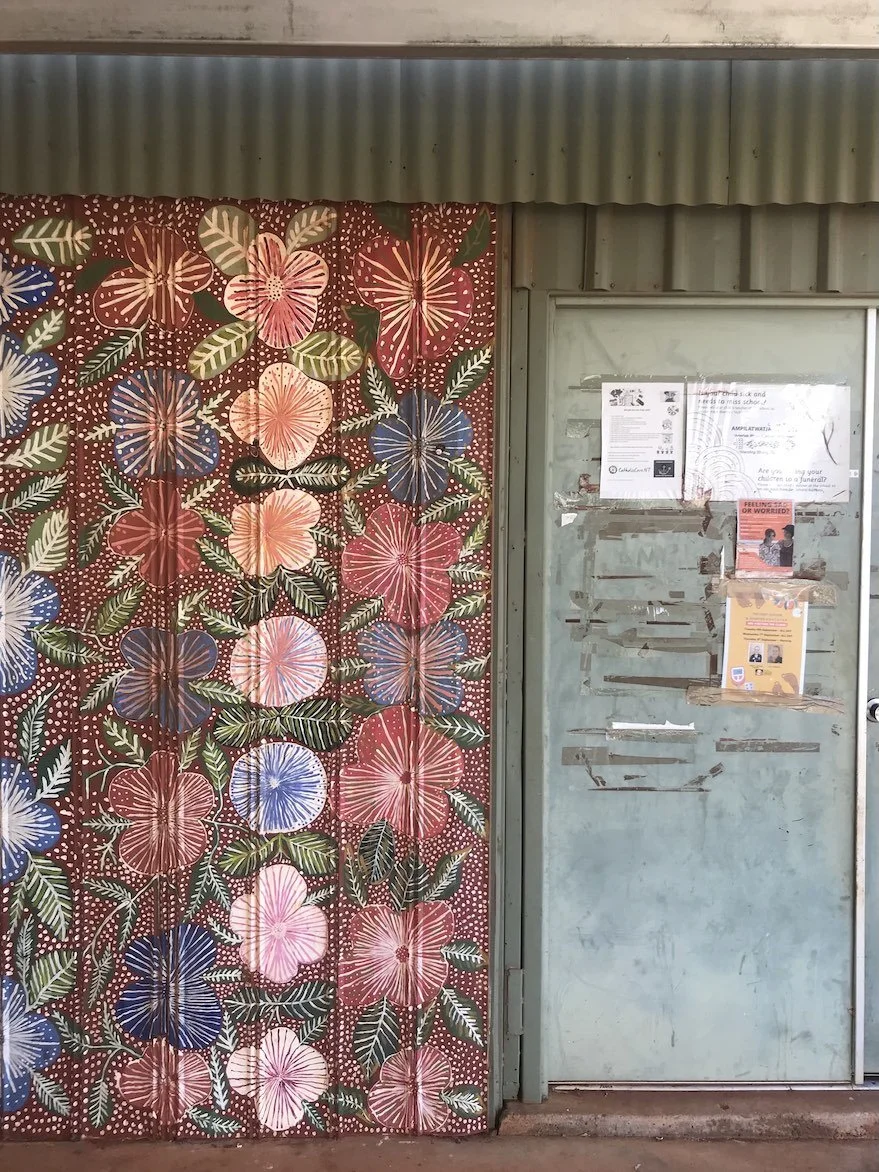
Indigenous Cultural Intellectual Property (ICIP)
Willie Weston designs are based on original artworks by First Nations artists. They may embody traditional knowledge of the artist’s community. Through best practice legal agreements, Willie Weston has been authorised by the artists and / or their representatives (if deceased) to adapt and reproduce these artworks on our fabrics, wallpapers and other interior products. Dealing with any part of the design for any purpose that has not been authorised by the artist is a serious breach of customary laws of First Nations communities and may also breach the Copyright Act 1968 (Cth).