
Kate Constantine
Kate Constantine is a proud Gadigal woman of the Eora nation. As a descendant of the Gadigal, she is passionate about her language, Culture and histories, much of which have been lost, misplaced or manipulated since the dawn of colonisation.
Kate is represented by galleries in Paris, London, Sydney, Melbourne and Margaret River. She is predominantly a painter, though her practice also extends to public art projects. Kate has been a finalist in numerous art prizes and awards.
For this collection, Willie Weston has translated three of Kate’s black and white artworks into a suite of delicate, organic designs, in soft tones of the land, sky and sea. Referencing her coastal homelands, Kate’s designs offer all who encounter them a connection to the natural environment and a window into Gadigal histories and culture.
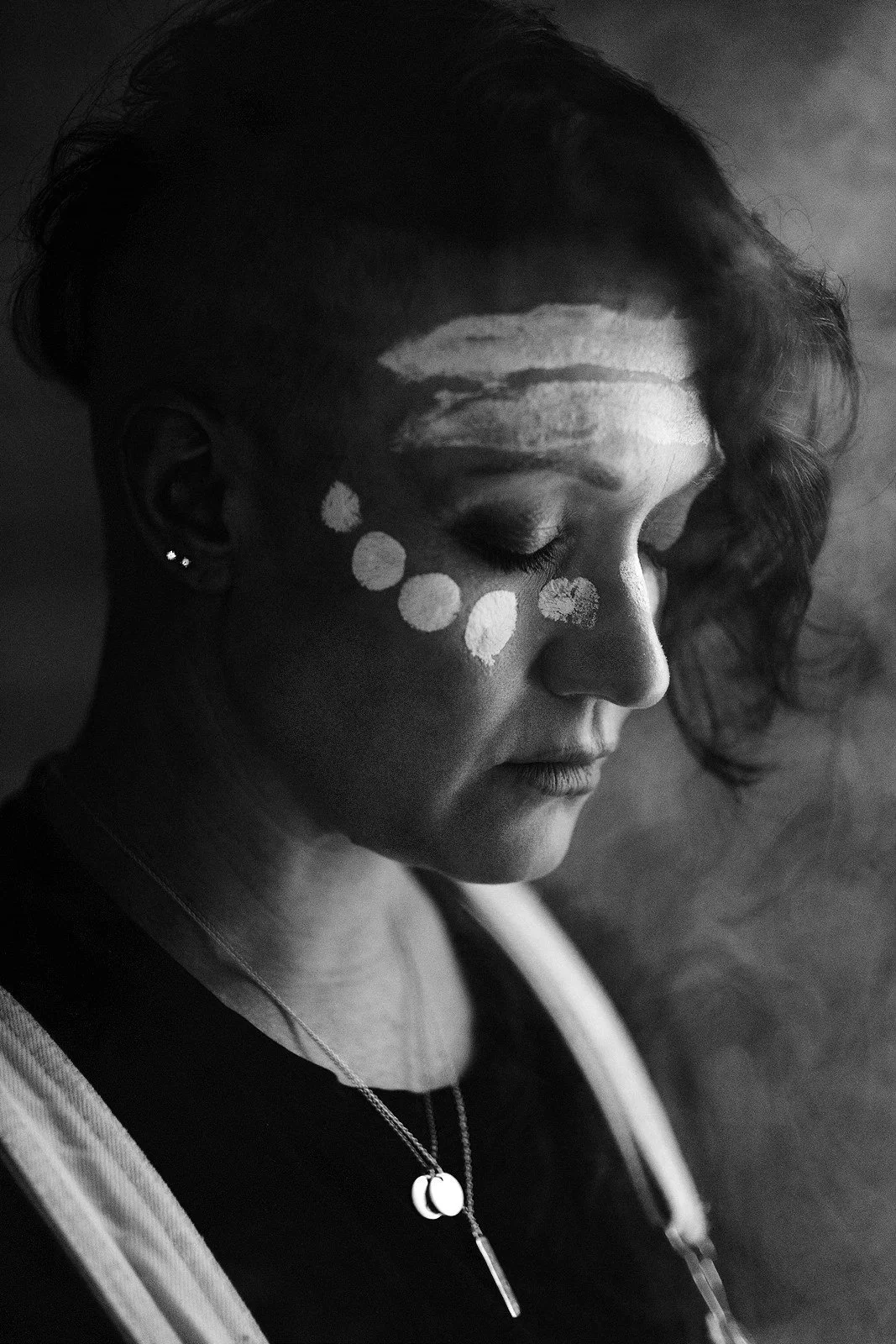
Kate Constantine. Photo: Davide Balduzzi.
Kate’s designs for our Kate Constantine Collection are Dyin Bangada Ngunyul (Women’s feather adornment), Garrigarrang Narang (Tidelines), and Crawl.
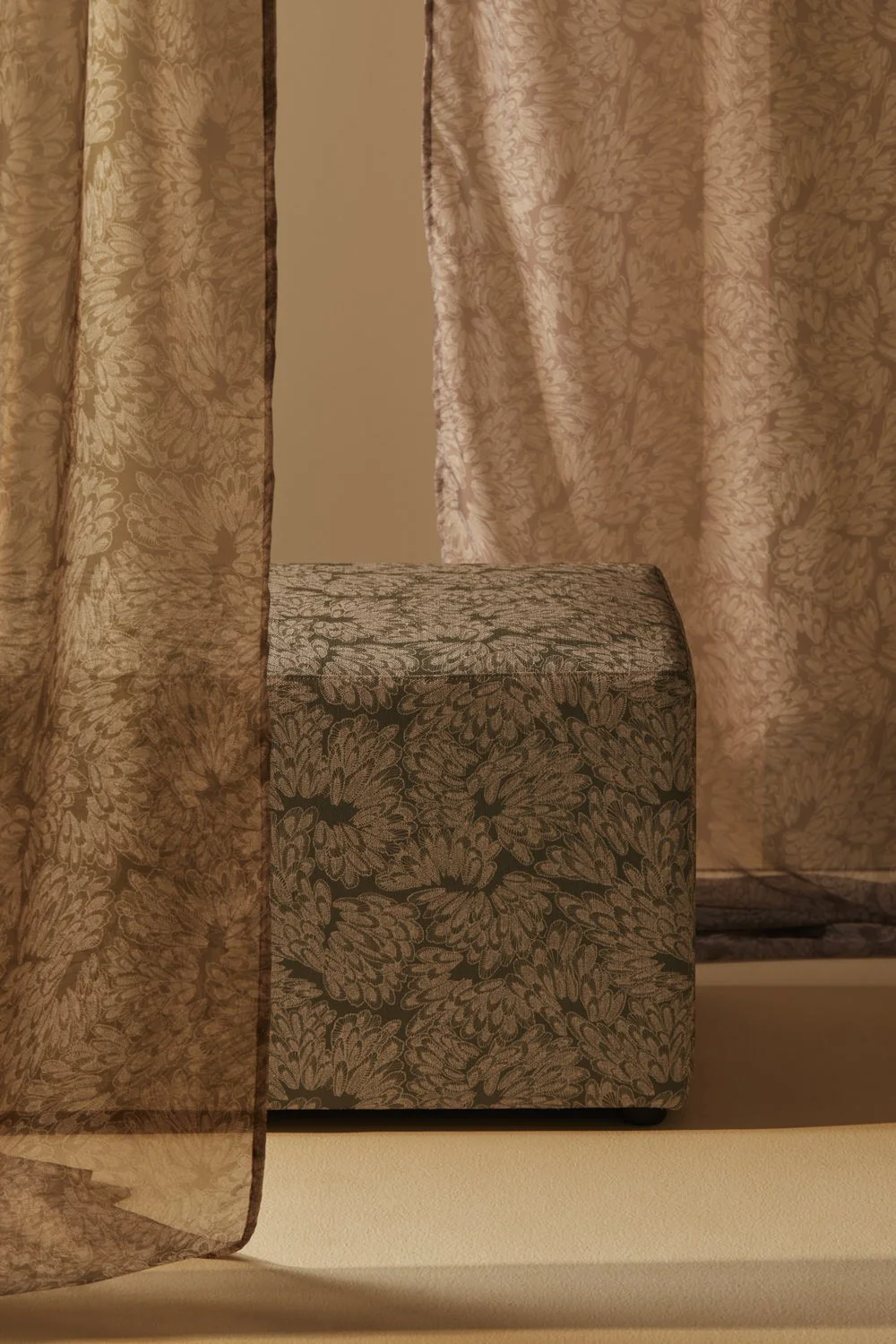
[L-R] Dyin Bangada: Ngunyul (Women’s feather adornment) in 'Kelp', ‘Gadi (grass tree)’ and ‘Shell’, from the Kate Constantine Collection. Photo: Martina Gemmola.
Of Dyin Bangada: Ngunyul (Women’s feather adornment), Kate says: “Gadigal women have some of the most beautiful jewellery and adornments recorded. This design is based on a beautiful drawing by an unknown artist entitled 35: A woman of New South Wales. The woman’s name is omitted, but she is likely Gadigal or Bidjigal, judging by her facial structure and her feather adornments. This tradition of ornamentation was both a small vanity and a way of showing where someone was from, and who they were connected to. These Dyin Bangada have been forgotten but are not lost.”
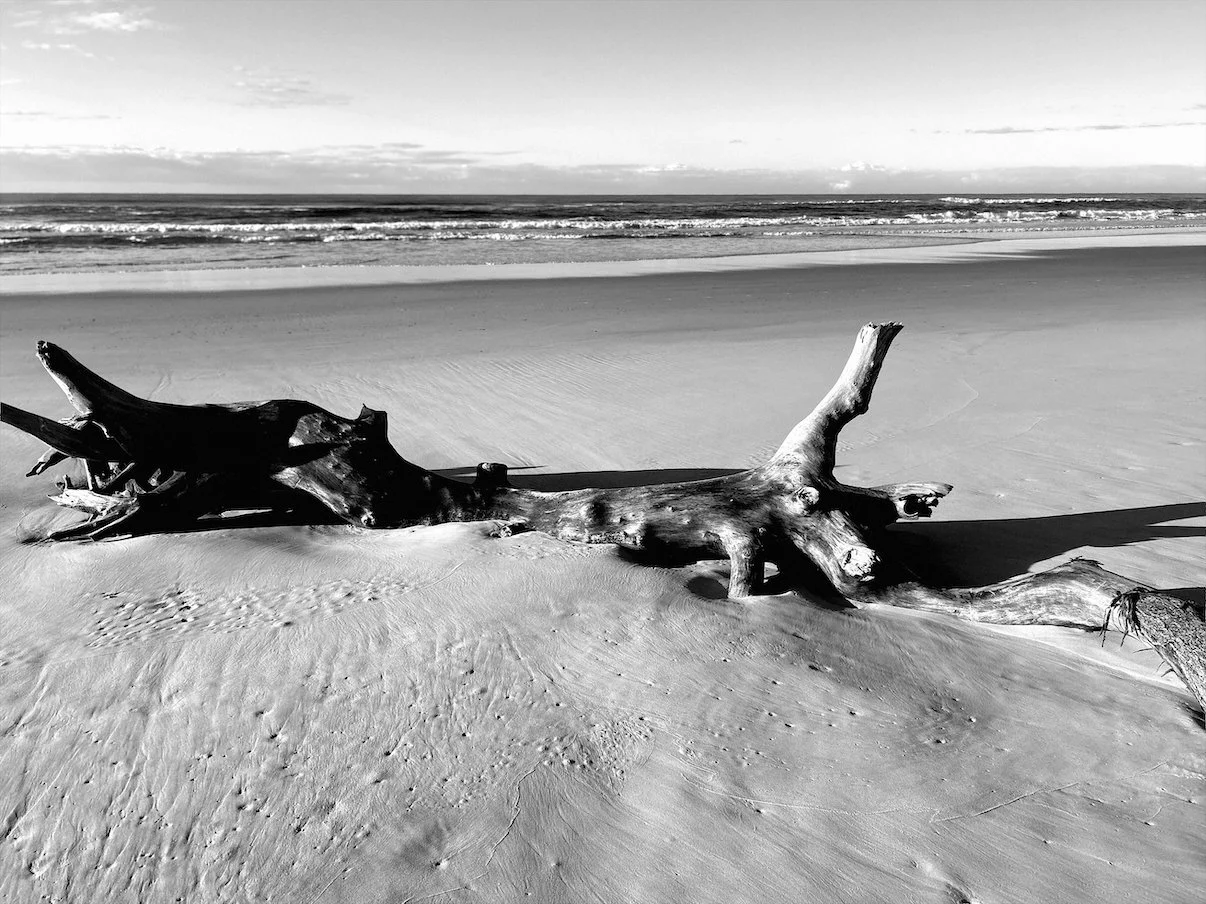
Gadigal Country. Photo: Kate Constantine.
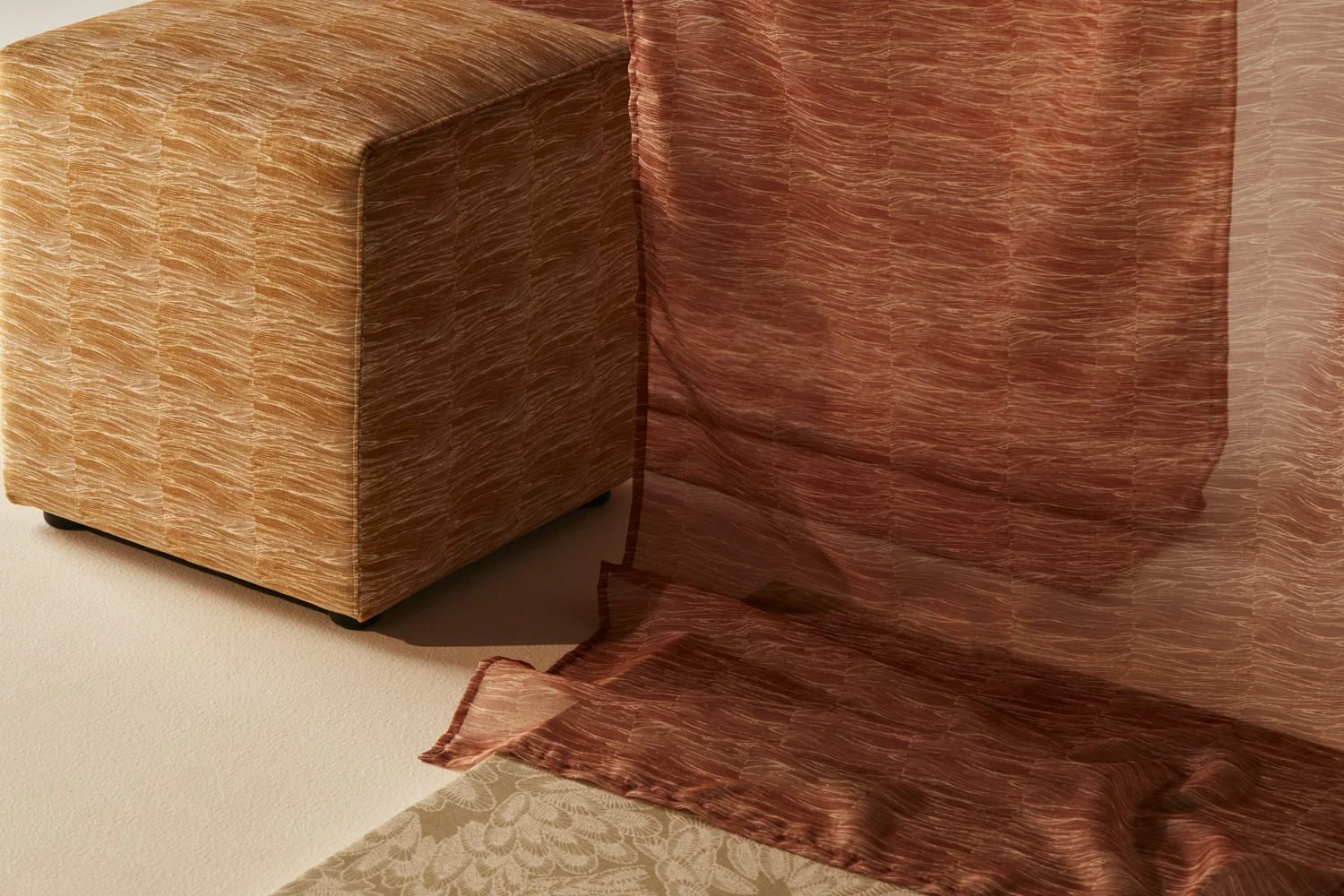
Garrigarrang Narang (Tidelines) celebrates Gadigal connection to water. Kate says: “I am a saltwater woman. I draw strength from badu (water), particularly that of the sea and from our glorious harbour homelands. As a rich food source, the sea has always been vital to our survival. But it is also part of our cultural knowledge system - a system that informs our wisdom and educates those whose initiation rights deem them ready to receive.”
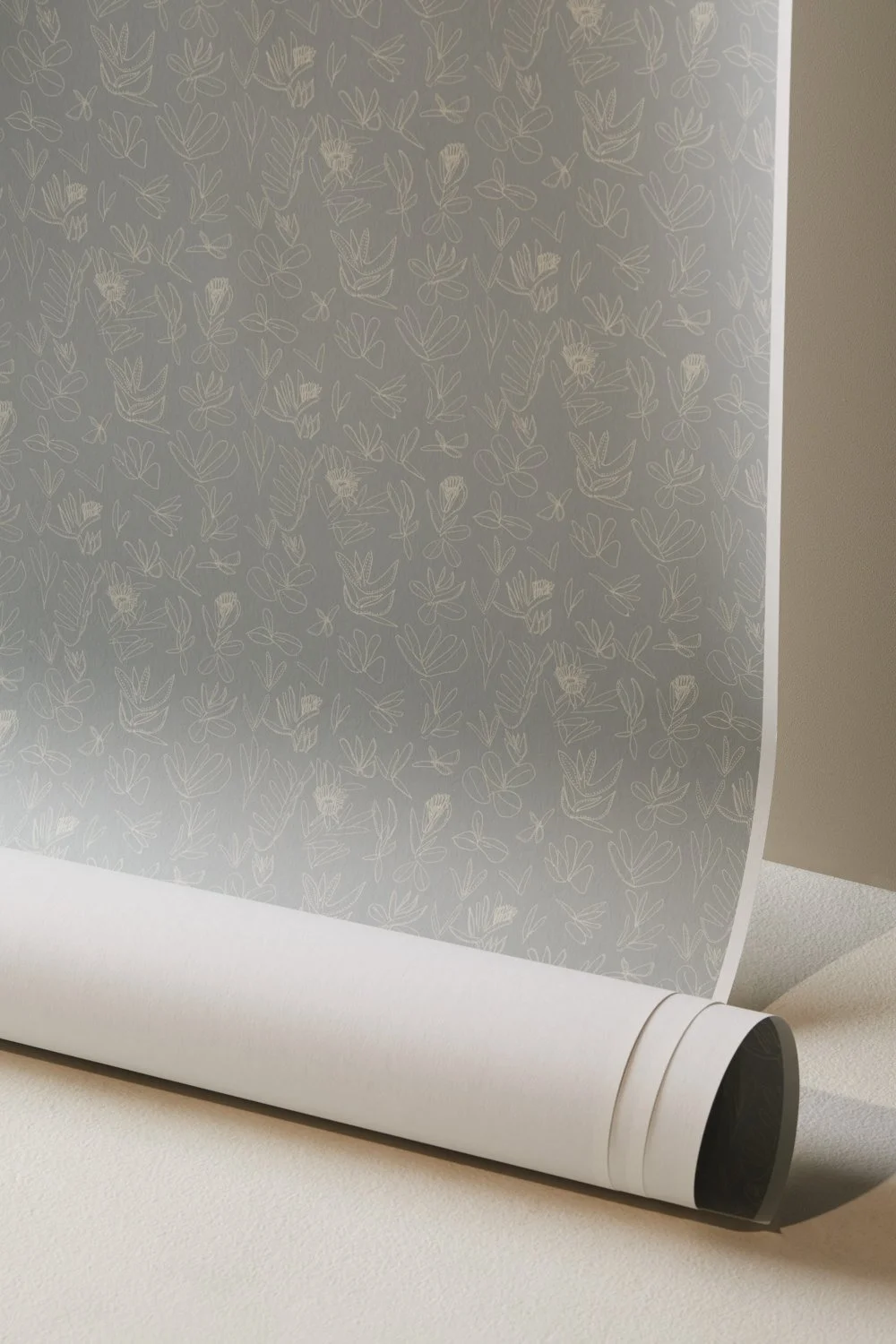
Crawl in ‘Coast’ from the Kate Constantine Collection. Photo: Martina Gemmola.
Crawl represents Karkalla or native pigs face and is an iconic blue green succulent with bright fuchsia pink flowers, found all along the east coast of Australia. The Gadigal used the juices from the leaves of Karkalla to relieve stings, bites and itches. It was used as a food source – both the leaf and the flower can be safely eaten and taste quite salty. But most importantly, Karkalla crawls our beaches, keeping our dunes safe and intact during wild weather events and providing safe harbour to many native creatures.